4News
Your Location: Front page ->  News
2026
-
03
-
06
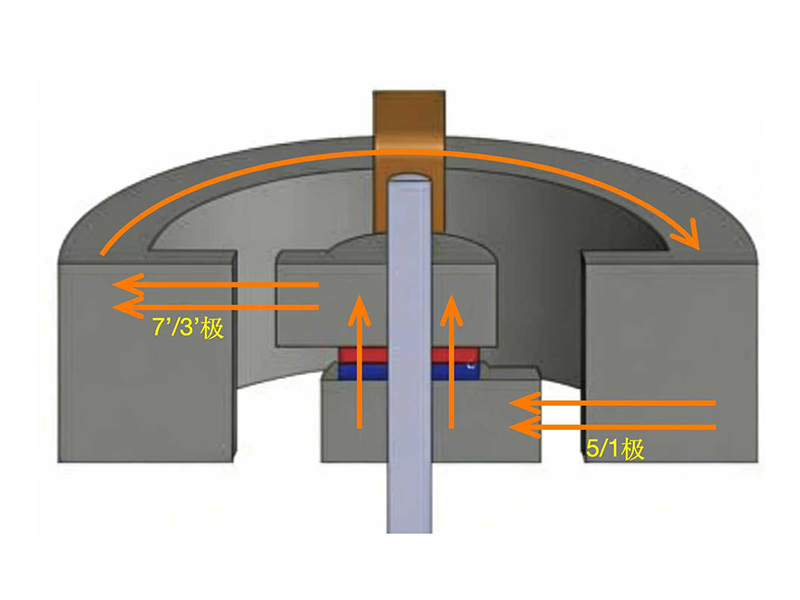
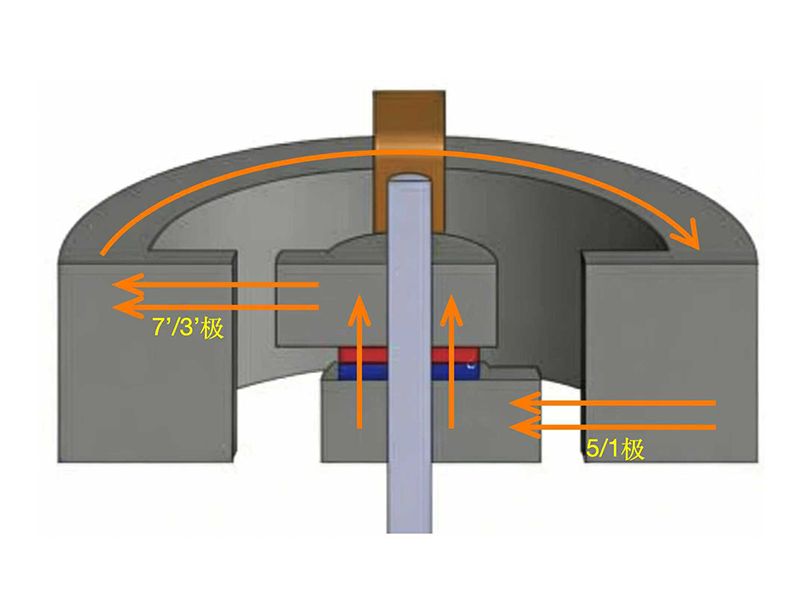
The hybrid stepper motor combines the characteristics of permanent magnet (PM) and variable reluctance (VR) stepper motors in its structure, resulting in a complex and three-dimensional magnetic circuit during operation. The following is a detailed breakdown for you.
2026
-
01
-
29
Dear Valued Clients and Partners, Greetings! According to the national statutory holiday arrangement and considering our company's actual situation, we hereby announce the 2026 Chinese New Year holiday schedule of Dongguan Jinde Electric Motor Co., Ltd. as follows:
2026
-
01
-
05
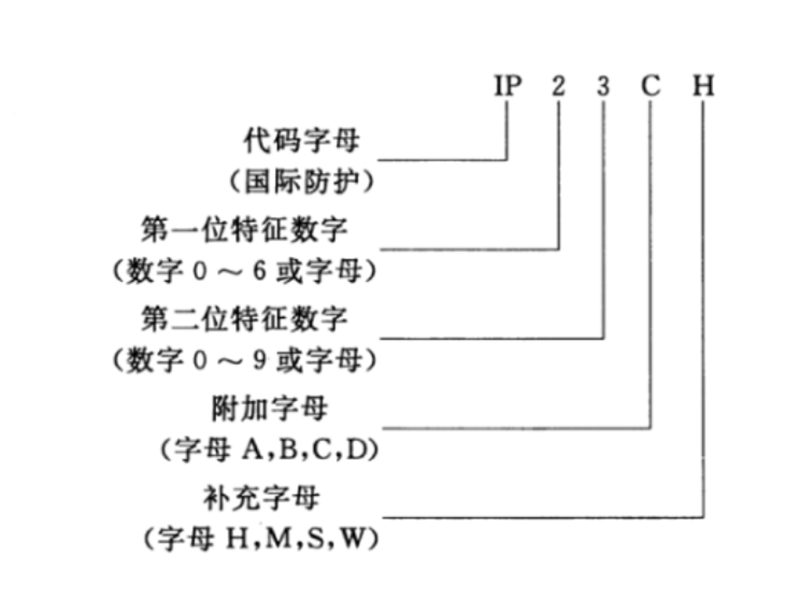
Frequent attendees of consumer electronics product launches often hear hosts mention that products have achieved IPX7 or IPX8 waterproof ratings. At first glance, it's easy to assume that higher numbers simply indicate better waterproof performance. But have you ever wondered what these numbers truly signify? This article will take you deep into the world of IP ratings. Actually, this IP rating does not solely refer to the waterproof rating but rather the "dust and water ingress protection rating." IP stands for Ingress Protection, which means "protection against the ingress of foreign objects.".
2025
-
12
-
30
Dear customers and partners, hello! According to the national statutory holiday schedule and our company's actual situation, we hereby notify Dongguan Jindi Motor Co., Ltd. of the 2026 New Year holiday schedule as follows: 1. The holiday period will be from January 1, 2026 (Thursday) to January 3, 2026 (Saturday), for a total of 3 days. Normal office and operation will resume from January 4th, 2026 (Sunday).
2025
-
04
-
12
Eccentric shaft gear motor, as an innovation in the field of mechanical transmission, realizes non-concentric transmission through eccentric shaft structure, breaking through the design limitations of traditional gear reducer. Its core advantage is that it converts rotational motion into compound eccentric motion, increasing torque output while reducing speed, especially for industrial scenarios requiring high precision, low noise, and compact construction. 1. Eccentric shaft drive mechanism eccentric shaft reducer motor core is eccentric shaft design, its axis and rotation center there is a fixed offset. When the input shaft rotates, the eccentric shaft drives the gear group to produce non-concentric motion, which is achieved through multiple gear meshing
2024
-
08
-
23
The use of stepper motors is very extensive and can be seen in many industries. We all know that maintenance work should be done well when using equipment to extend its service life. Below, Jin's editor will explain several aspects of equipment maintenance work for you
2024
-
08
-
23
The use of stepper motors is very widespread, but it is inevitable that some problems may occur during use, resulting in poor performance of the equipment. Considering this situation, Jin's editor requires everyone to check before use
2024
-
08
-
23
The output torque of a motor is inversely proportional to its speed. The output torque of a stepper motor is relatively large at low speeds (hundreds of rotations per minute or lower), and very small at high speeds (1000-9000 revolutions per minute).
2024
-
08
-
23
There may be certain safety hazards during the operation of stepper motors, so in order to protect the safety of personnel's voice during the operation process, there are also certain requirements for the staff. Below, Jin's editor will explain it to you
2024
-
08
-
23
What causes the bearings of the stepper motor reducer to make noise? Below, the editor of the linear stepper motor will briefly discuss it for you
2024
-
08
-
23
A stepper motor controller is a device that controls motor operation through integrated circuits, but it is not an independent instrument device. The driving of stepper motors can be divided into unipolar stepper motor driving circuits and bipolar stepper motor driving circuits. What are the differences between these two driving circuits? Let's take a look at the detailed explanation below
2026
-
03
-
28
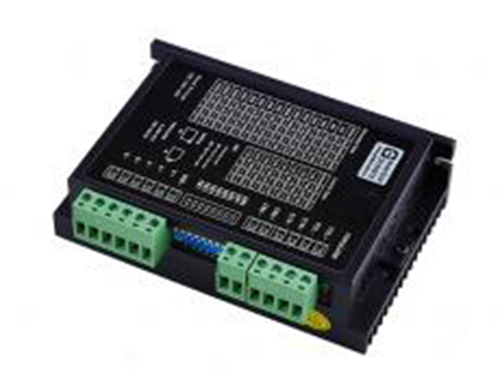
A stepper motor, as a type of controlled motor, can convert electrical pulse signals into angular displacement and is widely used in 3D printers, medical equipment, robots, and other fields. Previously, we wrote many articles explaining the operating principle of stepper motors, mostly focusing on the motor itself. However, for a stepper motor, the importance of the driver is similar to that of the operating system for a computer.
2026
-
03
-
09
混合式步进电机结构上结合了永磁式(PM)和可变磁阻式(VR)步进电机的特点,因此运行时磁路呈现较为复杂立体的形态,下文为您详细拆解。
2026
-
03
-
12
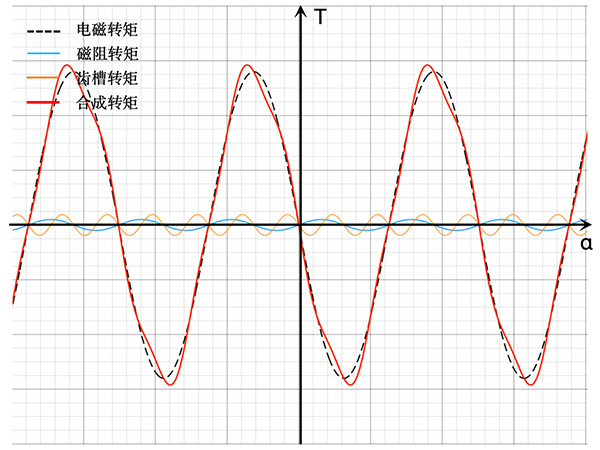
Stepper motors are mainly classified into three types: Permanent Magnet (PM), Variable Reluctance (VR), and Hybrid (HB). The torque of a PM stepper motor originates from the interaction between the stator excitation magnetic field and the rotor permanent magnetic field, known as electromagnetic torque. VR stepper motors contain no permanent magnets; their torque arises from the tendency of the salient-pole structure to minimize magnetic reluctance, referred to as reluctance torque. Hybrid stepper motors combine the characteristics of PM and VR types, so their torque results from the combined action of electromagnetic torque and reluctance torque. This paper details the torque sources of hybrid stepper motors.
2026
-
01
-
29
Stepper motors are mainly divided into three categories: Permanent Magnet (PM), Variable Reluctance (VR), and Hybrid (HB). The Hybrid type is a hybrid or combination of the former two. Therefore, from a principle perspective, the Permanent Magnet and Variable Reluctance types can be considered the most fundamental. Our previous articles have provided detailed introductions to Hybrid and Permanent Magnet stepper motors. This article will introduce the Variable Reluctance stepper motor, also known as the VR-type stepper motor.
2025
-
12
-
30
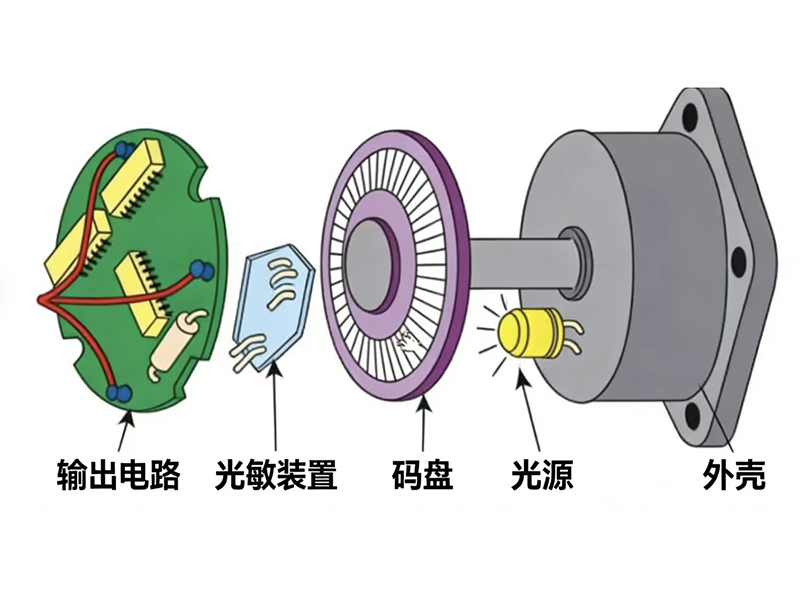
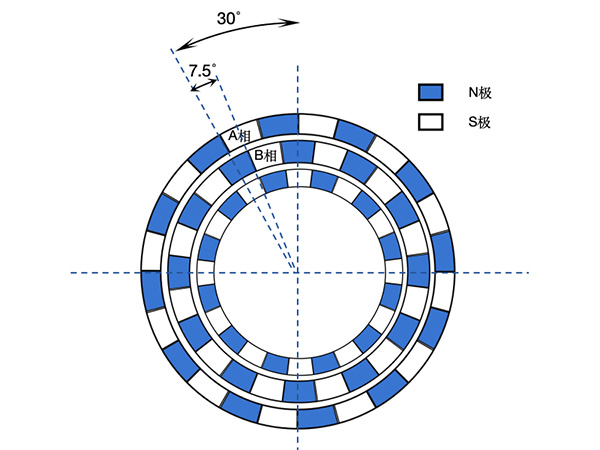
Encoder is a sensor that provides feedback on position/velocity in motor control, and is the key to achieving closed-loop control of the motor. The basic principle is to convert location information into signals such as light, magnetism, capacitance, etc., and then convert these information signals into electrical signals. Encoders can be divided into optoelectronic encoders, magnetic encoders, and capacitive encoders based on signal types
2025
-
12
-
29
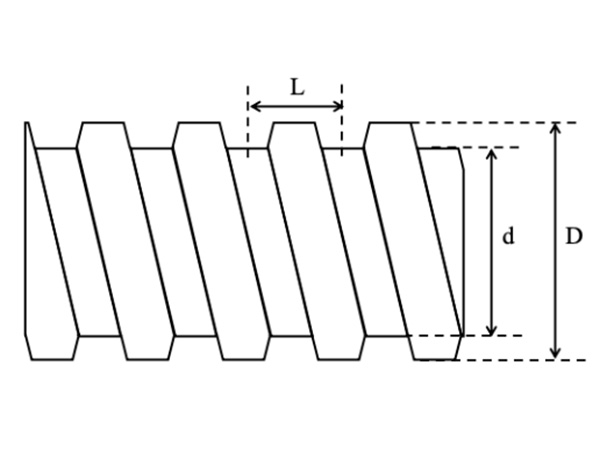
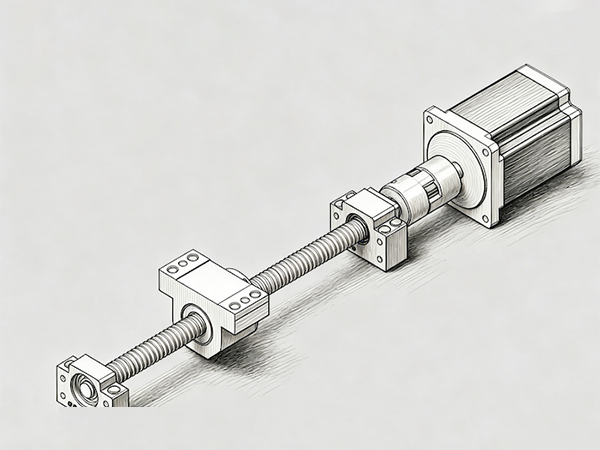
The lead screw mechanism is the most commonly used scheme for converting rotational motion to linear motion. The lead screw motor directly connects the shaft to the lead screw (or a hollow thread shaft), driving the thread to rotate. For lead screw motors, what we are concerned about is how the axial speed and the motor speed are related, and what is the connection between the axial push/pull force and the motor output torque
2025
-
12
-
22
From the conveyor belt for sorting express delivery, to the xyz axis platform for 3D printers, to the main joint drive for simulation robots, scenes of linear motion can be seen everywhere in daily life. Obviously, regardless of the implementation path, the power source is always the motor that inputs rotational motion. So, what are the solutions to convert rotational motion into linear motion? Let's take a quick look.
2025
-
12
-
16
This small motor, which looks rather ordinary—similar to the tiny DC motor found in those counterfeit Audi Twin Drill four-wheel-drive toy cars from childhood—is actually a PM (Permanent Magnet) stepper motor. Despite its compact size, it features a simple yet ingeniously designed structure.
2025
-
11
-
29
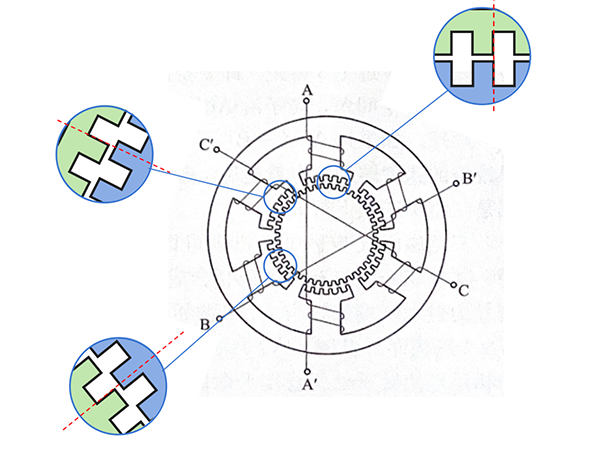
Taking a hybrid stepper motor with a step angle of 1.8 ° as an example. 50 teeth rotor; The stator has 8 poles, with 6 teeth per pole, for a total of 48 teeth. Firstly, let's take a look at the static structure of the stator and rotor. The rotor is evenly arranged with 50 teeth. The stator has 48 teeth divided into 8 poles, with 6 teeth per pole. The tooth pitch on each pole is consistent with that of the rotor and can correspond one-to-one. The arrangement of stator teeth can be understood as follows: Cut off 2 complete teeth (i.e. 2 tooth tips and 2 tooth slots) from the 50 teeth that originally corresponded one-to-one with the rotor, and divide them into 8 poles evenly arranged on the circumference in sequence.
   Total34  Total Pages2 | Current Page1  9Page 1   7Previous page   Next Page8   Last page:  Jump